






Любая форма оплата
Всегда все недорого
Оперативно и в срок
Быстро и качественно









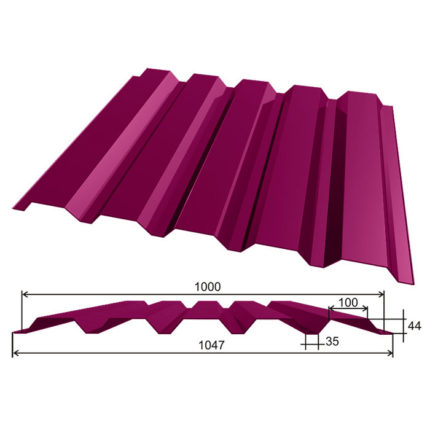
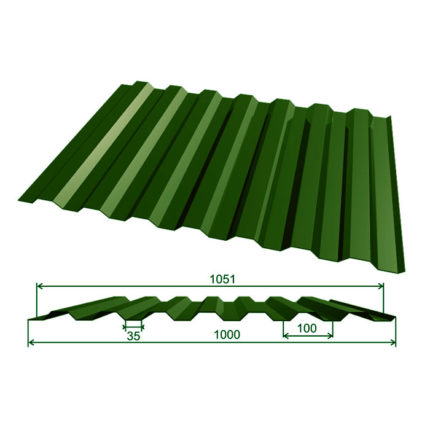
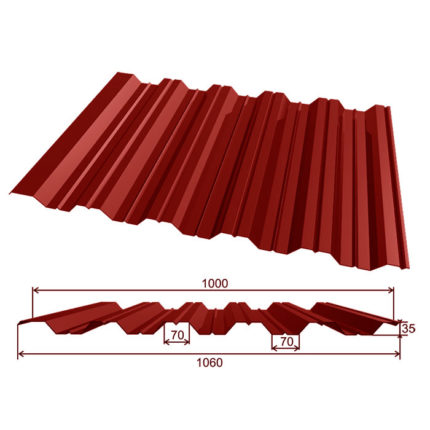
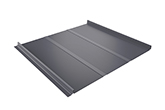
Профнастил самый востребованный вид ограждений - цена + качество

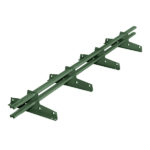
Металлический штакетник - интересное и практичное ограждение

+7 (495) 780-23-95
krovsite@yandex.ru
The pursuit of the perfect trout fishing technique often leads anglers to explore a variety of methods, each with its own nuances and advantages. Among these, the technique known as River spin has gained considerable traction for its effectiveness and adaptability. It’s a method that allows for both distance and precision, crucial elements when targeting wary trout in flowing water. Understanding the principles behind it, and how to implement them correctly, can significantly improve your success rate on the river.
This approach differs from traditional fly fishing or bait fishing in its reliance on artificial lures that mimic the natural prey of trout. It requires a certain level of skill in casting, retrieving, and lure selection, but the rewards can be substantial. Effective use of this method demands an awareness of river conditions, trout behavior, and the subtle art of presenting a lure in a tempting manner. Mastering this technique will elevate your trout fishing game and unlock new possibilities in your angling adventures.
Choosing the right lure is paramount when employing this technique. The selection process isn’t simply about picking a visually appealing lure; it’s about matching the characteristics of the lure to the prevailing river conditions and the natural food sources available to trout. Consider factors like water clarity, depth, current speed, and the predominant insects or small fish in the river’s ecosystem. In clear, shallow water, lures that closely imitate natural prey, such as small minnows or mayfly nymphs, often prove successful. These lures typically have subtle color patterns and realistic movements.
Conversely, in murky or fast-flowing waters, lures with brighter colors and more pronounced vibrations can be more effective. These create a stronger visual and sensory signal for trout, helping them to locate the lure despite the challenging conditions. The size of the lure is also crucial; smaller lures are generally preferred for targeting smaller trout or when fishing in heavily pressured areas. Larger lures can be used to attract larger trout, but they may also deter more cautious fish. Experimentation is key, and keeping a variety of lures in your tackle box allows you to adapt to changing conditions.
The color of a lure can significantly impact its effectiveness. In clear water, natural colors like silver, gold, and brown often blend well with the environment and mimic the appearance of baitfish. In stained or murky water, brighter colors like chartreuse, orange, and red can create a more visible contrast. The profile of the lure, referring to its shape and how it moves through the water, is also important. Lures with a more streamlined profile are less likely to snag on rocks or weeds, and they present a more natural swimming action. Consider lures that have a lifelike wobble or flutter to imitate the movements of a wounded or fleeing prey item. This subtle action can trigger a predatory response in trout, leading to a successful strike.
Don't underestimate the power of observation. Pay attention to what the trout are actively feeding on. If you see insects hatching, choose lures that mimic those insects in size and color. If small minnows are prevalent, opt for lures that resemble them. Matching the hatch, as it's often called, is a fundamental principle of effective angling.
| Spinnerbait | Clear to Slightly Murky | Moderate to Fast | Small to Medium |
| Spoons | Murky to Fast | Moderate to Fast | Medium to Large |
| Crankbaits | Clear to Moderate | Slow to Moderate | Small to Medium |
| Soft Plastics | Clear to Murky | Slow to Fast | All Sizes |
Understanding the relationships between lure types, water conditions, and target trout size allows for informed decisions during your river spin sessions. Remember that successful angling often involves adapting your strategy based on real-time observations and experiences.
The art of casting is fundamental to successful River spin fishing. Unlike simply casting at a spot, the goal is to present the lure in a way that mimics the natural movement of prey. This often involves casting upstream or at an angle to the current, allowing the lure to drift naturally with the flow. The technique relies on creating the illusion of a live baitfish being carried downstream, enticing trout to strike. It is important to control the speed and depth of the lure as it drifts, making subtle adjustments to the rod tip to create a more realistic presentation. A common mistake is casting directly into the current; this can cause the lure to tumble and lose its natural action, making it less appealing to trout.
Practice smooth, controlled casts to avoid spooking fish. Sudden movements or loud splashes can alert trout to your presence, causing them to retreat. Vary your casting angles and distances to explore different areas of the river and to determine where the most active trout are holding. A longer cast can help cover more water, while a shorter, more precise cast is ideal for targeting specific lies or areas of structure. A key element is "feeling" the lure as it drifts—paying attention to the subtle changes in tension on the line can provide valuable information about the lure's movement and potential strikes.
The retrieve is the second crucial part of the process. It’s not just about reeling the line back in; it’s about imparting the right action to the lure. Different retrieves will elicit different responses from trout. A slow, steady retrieve is often effective in slower-moving water, while a faster, more erratic retrieve can be more productive in faster currents. Experiment with varying the speed and rhythm of your retrieve to find what works best on a given day. Also consider incorporating pauses into your retrieve, allowing the lure to sink or float momentarily. This can create the illusion of a wounded or vulnerable prey item, triggering a strike.
Adding subtle twitches or jerks to the rod tip during the retrieve can also add realism to the lure’s movement. These actions mimic the erratic movements of a struggling baitfish, attracting the attention of nearby trout. Remember to adjust your retrieve based on the type of lure you’re using. Some lures are designed to be retrieved quickly, while others are more effective when retrieved slowly.
Consistent practice and experimentation are key to mastering the art of the retrieve and maximizing your chances of success.
Successful River spin fishing isn't just about technique; it's about understanding the river itself. Trout are creatures of habit, and they tend to hold in specific areas where they can conserve energy and ambush prey. Identifying these areas is a critical step in locating and catching trout. Look for areas where the current breaks, creating eddies or pools. These areas provide trout with a sheltered refuge where they can hold in the current without expending excessive energy. Also, focus on areas where there is structure, such as rocks, logs, or submerged vegetation. These structures provide cover and attract the small invertebrates and fish that trout feed on. The deeper portions of the river are often more productive, particularly during warmer weather when trout seek cooler temperatures.
Pay attention to the depth of the water. Trout often hold in areas where the depth changes abruptly, creating a more favorable environment. Also, look for seams – where fast-moving water meets slower-moving water. These seams are often rich in food and attract trout seeking an easy meal. Observe the surface of the water for signs of activity, such as rising fish or surface disturbances. These indicators can reveal the presence of trout feeding on insects or other prey.
The way the current flows through a river significantly influences where trout will hold. Trout prefer to position themselves in areas where they can efficiently intercept food carried by the current. They will typically face upstream, allowing them to ambush prey as it drifts by. Areas where the current slows down, creating a more gentle flow, are particularly attractive to trout. Understanding the interplay between current and depth is also important. Trout often hold near the bottom of the river, where they can conserve energy and remain hidden from predators. Use a weighted lure or adjust your retrieve to maintain contact with the bottom, especially in deeper areas.
Consider the time of day and weather conditions. During bright, sunny days, trout tend to seek shelter in deeper pools or under overhanging vegetation. During overcast days or when the river is slightly cloudy, they may be more willing to venture into shallower, more exposed areas. Be adaptable and adjust your strategy based on the prevailing conditions.
Developing your ability to read the river and identify trout holding areas is a skill that comes with experience. Spend time observing the river, paying attention to the details, and learning how trout respond to different conditions.
Consistent maintenance of your tackle is crucial for maximizing performance and ensuring a smooth and enjoyable fishing experience. This includes regularly cleaning and lubricating your reels, checking the line for wear and tear, and sharpening your hooks. A reel that is properly maintained will operate smoothly and efficiently, preventing line tangles and ensuring that you can retrieve the lure quickly and effectively. Line that is worn or damaged can break easily, resulting in lost fish. Inspect your line regularly for abrasions, knots, and discoloration, and replace it when necessary. Sharp hooks are essential for a solid hookset. Dull hooks can cause trout to escape, costing you valuable opportunities. Always carry a hook sharpener with you and touch up your hooks before each fishing trip.
Pay attention to the condition of your rod and guides. Inspect your rod for cracks or damage, and ensure that the guides are smooth and free of chips or burrs. Damaged guides can cause line abrasion, reducing its strength and casting distance. Properly storing your equipment when not in use will also help to prolong its lifespan. Store your rods in a protective case and your reels in a dry, safe place. Protecting your equipment ensures that it’s ready to perform when you hit the river.
Rivers are dynamic ecosystems, and conditions can change rapidly due to factors like rainfall, snowmelt, and dam releases. Successful anglers are those who can adapt their strategies to these changing conditions. A sudden increase in water level can dramatically alter the river’s flow, creating new holding areas and washing away others. If the river rises, focus on areas where the current breaks or where there is structure that can provide trout with a refuge. Conversely, a decrease in water level can expose previously submerged areas and force trout to seek deeper water. In such cases, concentrate your efforts on deeper pools and runs.
Changes in water temperature can also impact trout behavior. During warmer months, trout will seek out cooler water, often retreating to deeper pools or areas where there is shade. During colder months, they may become less active and hold in slower-moving water. Finally, always be aware of the weather forecast and prepare for potential changes in conditions. Bring appropriate clothing and gear, and be prepared to adjust your strategy as needed. Flexibility and adaptability are key to consistent success in River spin fishing.
Understanding the cyclical nature of river ecosystems, and anticipating how trout will respond to these changes, is what separates the casual angler from the truly skilled fisherman. Remember to always prioritize safety and respect the environment while enjoying your time on the river.
The continued exploration of techniques and a commitment to observing the details of the river environment are essential for any dedicated angler. By refining your skills, adapting to changing conditions, and prioritizing respect for the natural world, you can elevate your angling experience and unlock the rewarding potential of river spin fishing, fostering a lifelong connection with the beauty and challenge of the sport.
У вас еще нет аккаунта?
Создать аккаунт