




Любая форма оплата
Всегда все недорого
Оперативно и в срок
Быстро и качественно


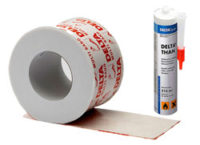
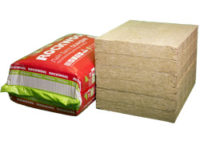


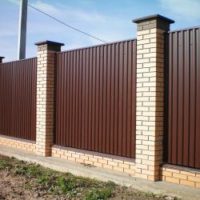
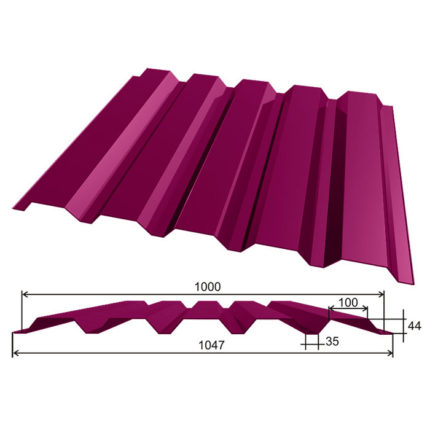
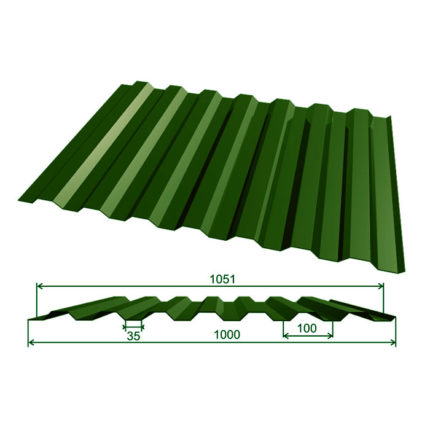
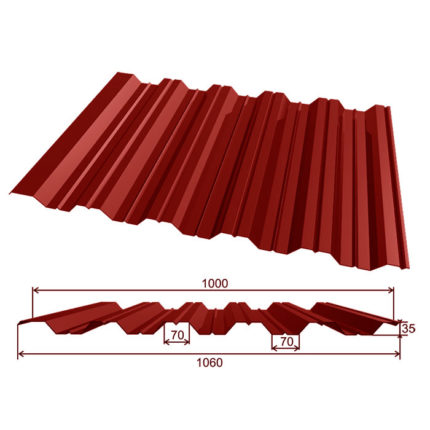
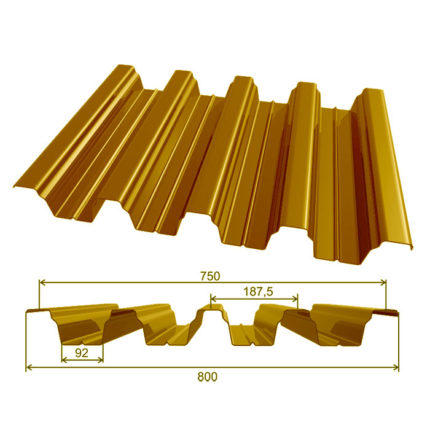
Профнастил самый востребованный вид ограждений - цена + качество

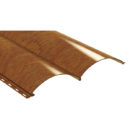
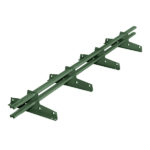
Металлический штакетник - интересное и практичное ограждение

+7 (495) 780-23-95
krovsite@yandex.ru
In today’s competitive manufacturing landscape, achieving consistent, high-quality polymer components requires more than basic molding—it demands precision, material expertise, and reliable production workflows. Professional plastic injection molding services bridge the gap between innovative design and durable, repeatable end products, serving industries from medical devices to consumer electronics and automotive parts.

Injection molding remains one of the most efficient and versatile methods for producing complex plastic parts at scale. By injecting molten polymer into a precisely machined mold cavity, manufacturers can achieve tight tolerances, excellent surface finishes, and short cycle times. However, the quality of the final product depends heavily on tool design, process control, and the experience of the molding partner. That is why leading companies turn to specialized plastic injection molding services to ensure every run meets exact specifications.
Whether you need prototype quantities or high-volume production, a full-service molder offers a range of capabilities to support your project:
Small variations in temperature, pressure, or cooling time can lead to warpage, short shots, sink marks, or dimensional drift. Reputable plastic injection molding services use closed-loop process control, mold flow analysis, and statistical process control (SPC) to minimize defects. This level of precision is especially critical for components with tight tolerances, such as connectors, gears, housings, and medical disposables.
For teams seeking a reliable partner with extensive experience in custom polymer solutions, Fox Mold Custom Plastics Molding offers end-to-end support from design consultation through production and assembly. Their focus on tooling excellence and process discipline helps clients reduce lead times and total cost of ownership.
When evaluating potential suppliers, consider these factors:
Q: What is the typical lead time for plastic injection molding services?
A: Lead times vary by complexity. Simple molds can take 4–8 weeks, while complex, multi-cavity tools may require 10–16 weeks. Production runs often start within 1–2 weeks after mold approval.
Q: Can you work with recycled or bio-based polymers?
A: Many professional molders support sustainable materials, including regrind, recycled resins, and bio-based plastics, subject to performance requirements.
Q: How do I know if my part is suitable for injection molding?
A: A design review with your molding partner can identify potential issues such as thick walls, undercuts, or difficult flow paths. Early DFM feedback is essential.
Q: What is the minimum order quantity (MOQ)?
A: MOQs depend on tooling cost and material. Some providers offer low-volume bridge tooling for 500–5,000 parts, while others focus on high-volume production.
Q: Do you provide prototyping before full production?
A: Yes. Many services offer rapid prototyping via 3D printing or aluminum bridge tooling to validate design and fit before investing in hardened steel molds.
By partnering with an experienced provider of plastic injection molding services, you gain access to the technical expertise, tooling infrastructure, and quality systems needed to bring precision polymer products to market efficiently and reliably.
У вас еще нет аккаунта?
Создать аккаунт