



Любая форма оплата
Всегда все недорого
Оперативно и в срок
Быстро и качественно


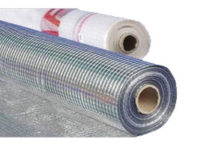
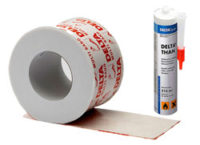
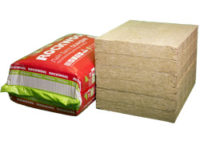


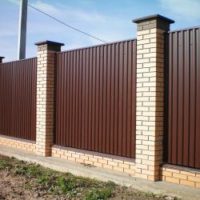
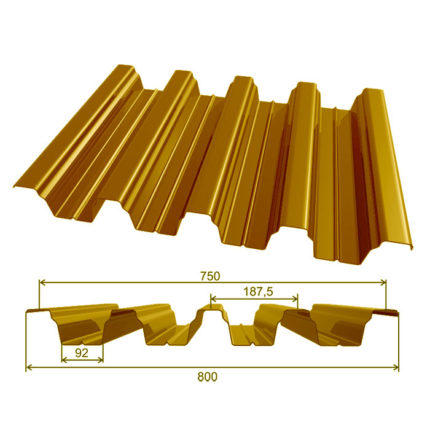
Профнастил самый востребованный вид ограждений - цена + качество

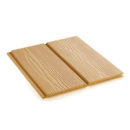
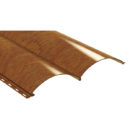
Металлический штакетник - интересное и практичное ограждение

+7 (495) 780-23-95
krovsite@yandex.ru
I have spent years noticing the lines between automotive care and home maintenance merge, and nowhere is that more apparent than in the laundry room. If you manage a coin-operated laundry business or you are merely trying to extract grease out of a beloved shirt, the same principles of chemistry, mechanics, and smart planning apply. On this site, I discuss the practical side of both worlds: how to finance and supply a laundromat, how to make your own dryer sheets, and how to remove stubborn stains from workwear. I also monitor the news that counts, from transitions in commercial laundry technology to modifications in energy regulations that affect every homeowner. My aim is to give you straightforward, verified advice that you can implement immediately, without marketing fluff or vague promises. Everything I publish comes from hands-on experience, conversations with equipment technicians, and thorough study of what genuinely works in real laundry settings.
Coin-op laundries have evolved well past the dark, overlooked spaces of the past. I now observe a rising count of operators committing to well-lit, tidy facilities with tap-to-pay systems, Wi-Fi, and seating areas that resemble a café than a laundry room. The demand is fueled by multiple elements: growing city populations, an increase in renters who don’t have machines at home, and a cultural shift toward outsourcing time-consuming chores. In many regions, the average laundromat generates a consistent income because cleaning garments is a non-discretionary expense. I have tracked revenue figures from market studies that suggest a well-located store can earn between $15,000 and $40,000 per month, based on square footage and area competitors. What surprises many newcomers is that the largest revenue source is usually not the washers but the dryers, which cost less to run per cycle and can process more loads. Understanding that dynamic is essential before you commit to a rental or buy equipment.
I also closely monitor the way demographic shifts influence laundry habits https://staticeliminator.ca. Suburban areas with a large number of households tend to see larger loads, more frequent visits, and higher need for oversized machines that can manage quilts and bedding. Downtown outlets, by contrast, often depend on a mix of drop-off wash-and-fold services and independent patrons who reside in adjacent flats. I have checked out many wash houses across diverse areas, and the ones that flourish are those that adapt their appliance lineup and opening times to the specific rhythms of their district. A store near a hospital might operate around the clock to accommodate rotating staff, while one in a student area might sell semester laundry packages. These details matter because a one-size-fits-all strategy rarely optimizes income. I always recommend to future operators to dedicate no less than two weeks watching a possible site at multiple times daily before committing financially.
I started making my own dryer sheets after computing that a family of four can shell out over $100 a year on single-use sheets that are largely polyester and synthetic fragrance. My go-to recipe relies on white vinegar, a few drops of essential oil, and squares of cotton flannel trimmed from an old shirt. I blend one part vinegar with two parts water in a glass jar, incorporate 10 to 15 drops of lavender or lemon essential oil, and saturate the cloth squares until they are damp but not dripping. I throw one square into the dryer with each load, and it reduces static cling while imparting a faint, natural scent. The vinegar smell fades completely during the cycle, and the cloths can be reused dozens of times before they need to be re-soaked. I keep a sealed jar of pre-soaked squares on the laundry shelf so they are always prepared.
The cost comparison is striking. A gallon of white vinegar sells for around $3 and yields enough solution for roughly 200 dryer loads when diluted. The cotton cloths are free if you repurpose worn-out clothing, and a small bottle of essential oil lasts for months. A box of 200 commercial dryer sheets usually costs between $8 and $12. Beyond the savings, I appreciate that my homemade version features no quaternary ammonium compounds, which are the softening agents in conventional sheets that can accumulate on dryer sensors and lower the absorbency of towels. I have tested this recipe on microfiber cloths, athletic wear, and cotton bedding, and I have not noticed any residue issues. For those who prefer a stronger scent, I propose adding a teaspoon of vegetable glycerin to the solution, which aids the fragrance stick to the fabric slightly longer without depositing an oily film.
My method to home laundry design changes completely when the household includes automotive hobbies, outdoor work, or sports that produce heavily soiled clothing. I suggest installing a deep utility sink adjacent to the washer for prepping stains and flushing off mud or grease before items go into the drum. The flooring ought to be a continuous sheet vinyl or sealed concrete, because spills of detergent, degreaser, or transmission fluid will ultimately happen, and grout lines in tile will stain permanently. I also advise running a dedicated 20-amp circuit for the washer and a separate circuit for the dryer, even if you are using a gas dryer that only demands electricity for the motor and controls. This prevents the breaker from tripping when the washer’s heating element and the dryer’s drum motor start simultaneously, a problem I have detected in several older homes.
Ventilation is the element most homeowners miss until they observe mould on the ceiling or a persistent musty smell. I specify a dryer vent run that is as short and straight as possible, with rigid metal ducting instead of flexible foil hose. Every bend in the duct diminishes airflow and traps lint, so I limit the total run to 25 feet or less and subtract 5 feet for each 90-degree elbow when determining effective length. I also install a backdraft damper at the exterior vent hood to keep cold air and pests out. For households that wash a lot of greasy workwear, I recommend adding a secondary lint filter or a lint trap on the wall before the duct enters the ceiling, because oily lint is stickier and more flammable than the fluffy lint from cotton towels. These details are not glamorous, but they stop house fires and extend the life of your dryer.
When I evaluate a prospective laundromat site, I start with three non-negotiable elements: population density within a one-mile radius, the proportion of renters versus homeowners, and the condition of competing stores nearby. A dense renter population is the most reliable predictor of consistent demand, but I also search for signs that existing laundries are neglecting to meet customer expectations. If I walk into a competitor and see broken machines, poor lighting, or a lack of seating, I know there is an gap for a better-run operation. I also review traffic patterns, parking availability, and the visibility of the storefront from the main road. A location tucked behind a strip mall with no signage will flounder even if the demographics look perfect on paper. I have seen promising businesses fail simply because customers could not find the entrance or felt unsafe walking from their car to the door after dark.
Beyond the obvious metrics, I delve into utility costs and lease terms with a level of detail that surprises many first-time investors. Water and sewer rates can vary dramatically even within the same county, and a few cents per gallon difference can erase a thin profit margin. I always request at least two years of water bills from the landlord or previous tenant to project realistic operating expenses. I also bargain lease clauses that protect me if a major anchor tenant leaves the shopping centre, because foot traffic from a grocery store or pharmacy can drive a significant portion of impulse laundry visits. Finally, I verify local zoning regulations and environmental requirements for wastewater discharge. Some municipalities require lint traps or grease interceptors that add to the upfront build-out cost. Knowing these details before you sign anything prevents costly surprises and gives you leverage during negotiations.
The machines you select will shape your laundry business for a decade or more, so I approach this decision with a focus on total cost of ownership rather than sticker price. Soft-mount washers have become the standard for new installations because they do not require a reinforced concrete pad and can be installed on upper floors, which unlocks more real estate options. I typically search for models with a 200 G-force extraction speed, because higher spin speeds remove more water and cut dryer time by up to 30%. That reduction in drying time converts directly into lower utility bills and faster customer turnover. I also consider the control board technology. Machines with USB ports for software updates let you adjust cycle pricing, water temperatures, and rinse steps without a service call, which reduces hundreds of dollars per year in technician fees.
For dryers, I favour single-pocket units with a capacity of 30 to 50 pounds and a robust airflow system that can withstand continuous use. Stacked dryers save floor space but can cause maintenance headaches if the upper unit is difficult to access for lint cleaning. I always demand seeing the maintenance log requirements for any model I am considering. A dryer that requires daily lint screen cleaning and monthly duct inspection is fine, but one that needs weekly belt tension adjustments will become a labour drain. I also evaluate warranty terms carefully. Some manufacturers provide a five-year parts warranty on the drive motor and basket, while others cap coverage at two years. In a high-use environment, that difference can mean thousands of dollars in repair costs. I keep a running list of parts that commonly fail—door switches, drain pumps, and timer boards—and I stock spares for those items before they are needed.
Automotive grease is a distinct beast from food grease because it often contains graphite, molybdenum disulfide, or other solid lubricants that bind to fabric fibres. I have tried dozens of methods over the years, and the most reliable approach starts with scraping off any excess grease with a plastic knife or the edge of a credit card. Then I apply a small amount of liquid dish soap—one that is labelled as a degreaser—directly to the stain and work it in with a soft-bristled brush. I let it sit for at least 15 minutes before rinsing with the hottest water the fabric can tolerate. The key is to avoid heat from a dryer until the stain is completely gone, because heat sets oil-based stains permanently. I check the treated area under bright light after washing, and if even a faint shadow remains, I repeat the process before drying.
For older, set-in stains, I turn to a poultice method that draws the oil out of the fibres. I mix baking soda with a small amount of water to form a thick paste, spread it over the stain, and let it dry completely. As the paste dries, it pulls some of the oil to the surface. I then brush off the powder and treat the area with a solvent-based stain remover before laundering. I have also had success with a product called Lestoil, which is a heavy-duty cleaner originally formulated for industrial use. A few drops worked into the stain and left overnight often break down grease that has survived multiple wash cycles. I always test any solvent on an inside seam first to check for colourfastness. These techniques apply equally to cotton work shirts, denim jeans, and synthetic blends, though delicate fabrics like silk or wool require professional cleaning to avoid damage.
Lowering utility consumption is the single most effective way to enhance the profitability of a coin-operated laundry, and I approach it from both the equipment and the behavioural side. High-extraction washers that spin at 200 G-force or higher lower the moisture content of clothes before they reach the dryer, which can reduce drying time by a third. I also suggest installing water pressure regulators and flow restrictors on supply lines to stop waste during fill cycles. Many older laundromats function at water pressures far above what the machines require, and the excess simply runs down the drain. A simple pressure gauge test can show whether you are paying for water you do not need. I have seen stores reduce their monthly water bills by 15% just by adjusting the incoming pressure to the manufacturer’s specification.
On the home side, I encourage readers to wash full loads whenever possible and to use the load-sensing feature if their machine has one. Modern front-loading washers use as little as 13 gallons per cycle, compared to 30 to 40 gallons for older top-loaders, so the payback period for upgrading can be quicker than many people assume. I also monitor developments in heat pump dryer technology, which uses a closed-loop system to recycle hot air and can reduce electricity consumption by half compared to conventional vented dryers. The upfront cost is still high, but I predict prices to drop as more manufacturers enter the market. For now, simple habits like cleaning the lint filter before every load and using the moisture sensor setting instead of timed drying yield immediate savings with zero investment.
Getting capital for a coin-operated laundry differs from financing a typical small business because lenders understand that the equipment itself carries substantial collateral value. I have assisted several owners manage this process, and the most reliable route is often an SBA 7(a) loan, which can cover up to $5 million with terms extending to 25 years for real estate and 10 years for equipment. The key is presenting a loan package that includes a detailed market analysis, three years of financial projections, and quotes from at least two equipment distributors. Banks want to see that you completed your homework on the local market and that your revenue assumptions are conservative. I always advise building a cash flow model that assumes a 20% lower average ticket than your best estimate, because unexpected downtime or a new competitor can quickly erode sales.
Equipment leasing is another option I often talk about with owners who want to preserve working capital. Many commercial laundry distributors provide lease-to-own arrangements where a portion of each payment counts toward eventual ownership of the machines. The advantage is lower upfront cost, but the total outlay over the lease term is usually higher than an outright purchase. I also consider alternative financing through community development financial institutions, which sometimes provide below-market rates for businesses that serve low-income neighbourhoods. Whatever route you select, I highlight the importance of separating personal and business finances from day one. Opening a dedicated business bank account and obtaining a federal employer identification number eases tax filing and builds the credit history you require when it comes time to expand or replace equipment.
The transition from coin-operated mechanisms to digital payment systems is speeding up, and I have observed it change the customer experience in laundromats. Card-based systems and mobile apps enable customers to pay with a credit card, smartphone, or loyalty card, which removes the need to carry quarters and lessens the risk of theft and vandalism. I have chatted with several owners who mentioned a 10% to 20% increase in revenue after switching to a cashless system, partly because customers tend to spend more when they are not constrained by the coins in their pocket. The technology also delivers detailed transaction data that helps owners identify peak hours, track machine usage, and schedule maintenance more efficiently. I always recommend choosing a system that includes remote machine monitoring, so you can check the status of every washer and dryer from your phone and get alerts if a machine goes offline or develops a fault.
Installing these systems necessitates some upfront planning. I recommend running Ethernet cables to each machine bank during the build-out phase, even if you aim to use Wi-Fi, because wired connections are more dependable in the electrically noisy environment of a laundry room. The payment terminal should be installed at a height that is accessible to wheelchair users and placed away from direct sunlight, which can warm the screen and card reader. I also seek systems that enable dynamic pricing, which enables you to charge more for large-capacity machines or during high-demand hours. This feature enables you optimize revenue without offending customers who are ready to wash at off-peak times. As the technology evolves, I foresee loyalty programs and subscription models to become standard, and I am already trying a few pilot programs with owners who wish to build a regular customer base.
У вас еще нет аккаунта?
Создать аккаунт